
Leaving the Tri-Valley behind—places like Pleasanton, Dublin, Livermore, or San Ramon—for any big airport around the Bay is not only about knowing when your plane leaves. Because of how things are laid out here, plus how packed roads often get, getting from where you live to that departure hall almost never feels smooth or direct. Headed toward San Francisco International? Maybe Oakland? Could be San Jose Minta instead. The hour you roll out matters more than most think—it shapes whether you stroll into security calm, or arrive breathless, chasing a closing door.
Out here in the Tri-Valley, lots of folks work and raise kids. Still, getting elsewhere across the Bay means squeezing through narrow routes. Most everyone hits I-580 or takes I-680—roads packed fuller than anywhere else up north. Mix in those headed toward the airport, atop daily travelers, and things get tangled fast.
Later mornings, say ten to two, plus nights past eight, often move more smoothly. These slots usually bring steady drive durations. Yet calm across the Bay Area does not last long. Mornings on weekdays, especially six thirty until nine thirty, get busy fast. So do evening stretches from four to seven. Travel during those times? Expect it to take twice as long. Most people trip up by trusting typical map estimates within these time frames. When heading to an airport, build in extra minutes just in case.
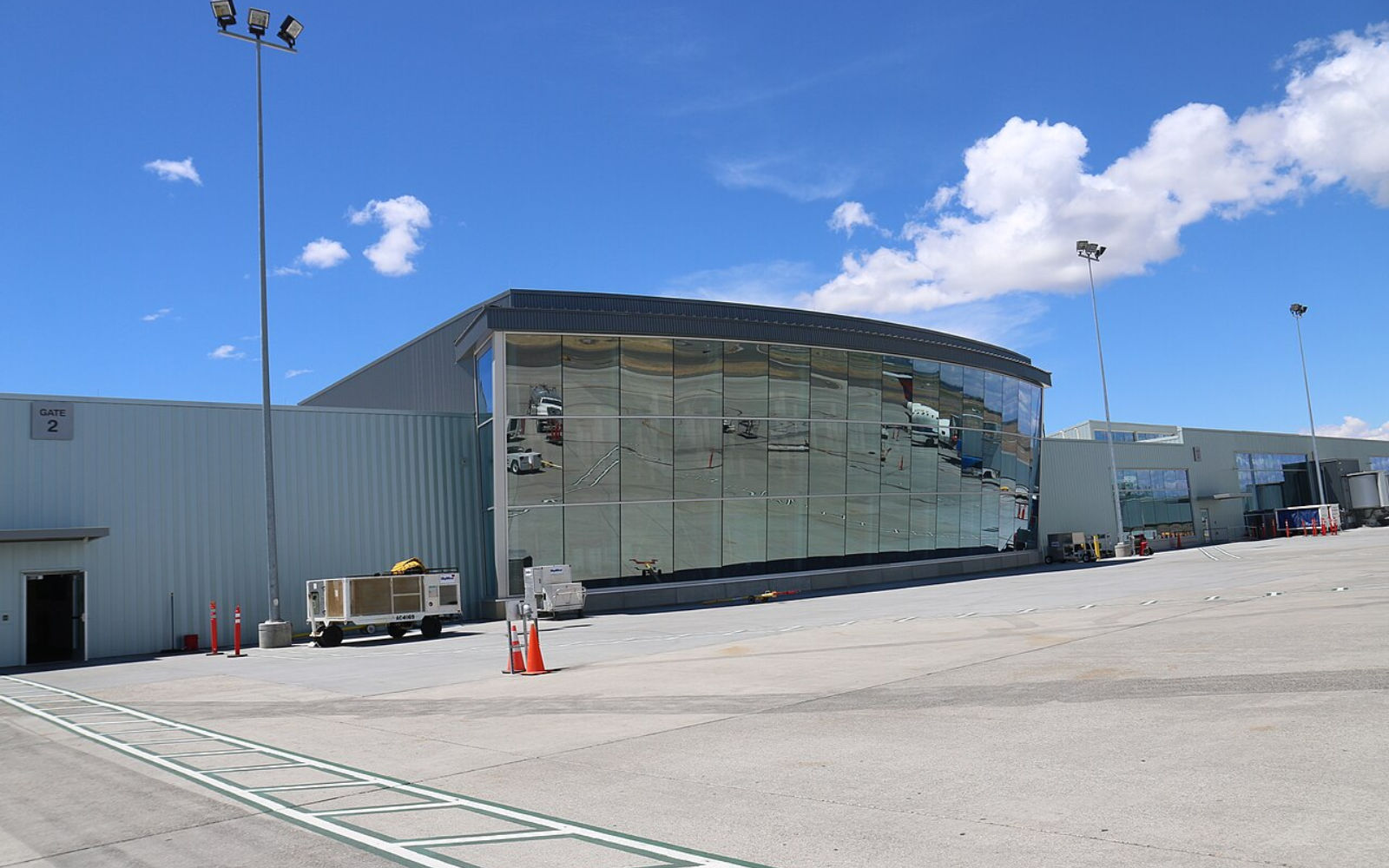
From one region to another, airport layouts shape how travelers move through them. What you find at arrival often hints at what the place values most.
San Francisco International Airport (SFO) Leaving Tri-Valley for SFO? That trip rarely goes smoothly. Either the Bay Bridge stretch slows you down, or the long haul along the Peninsula eats up time. Rush hour flights mean no room for delay—what time you leave has to stick. Heavy traffic waits ahead, especially on I-580 and I-80. A journey lasting one hour at midnight might double when done on a weekday morning. Traveling abroad or around major holidays? Expect longer waits—most people plan for sixty additional minutes just in case.
Oakland International (OAK) Most folks around Tri-Valley find Oakland within reach, usually just 20 to 30 miles out their door. Though closer on the map, getting through OAK roads might surprise you. Highways feeding downtown often jam without warning. Since it feels nearby, people tend to leave later than they should. Even so, OAK handles tons of local and nearby trips, so checkpoint waits shift fast without warning. Getting to the gate area 90 minutes early makes sense for U.S. flights, no matter how quick the trip seems from home.
San Jose Mineta Airport (SJC) Heading out from the Tri-Valley toward SJC means wrestling with the I-680 stretch—one that has a rhythm all its own. Gridlock here is not sudden. It settles in early, sticks around like it belongs. The movement of cars follows rules different from those aimed at San Francisco. Late afternoon trips to San Jose? That is diving straight into peak hour chaos. Flights between four and seven need careful timing—roads leading downtown stay clogged, almost without fail.
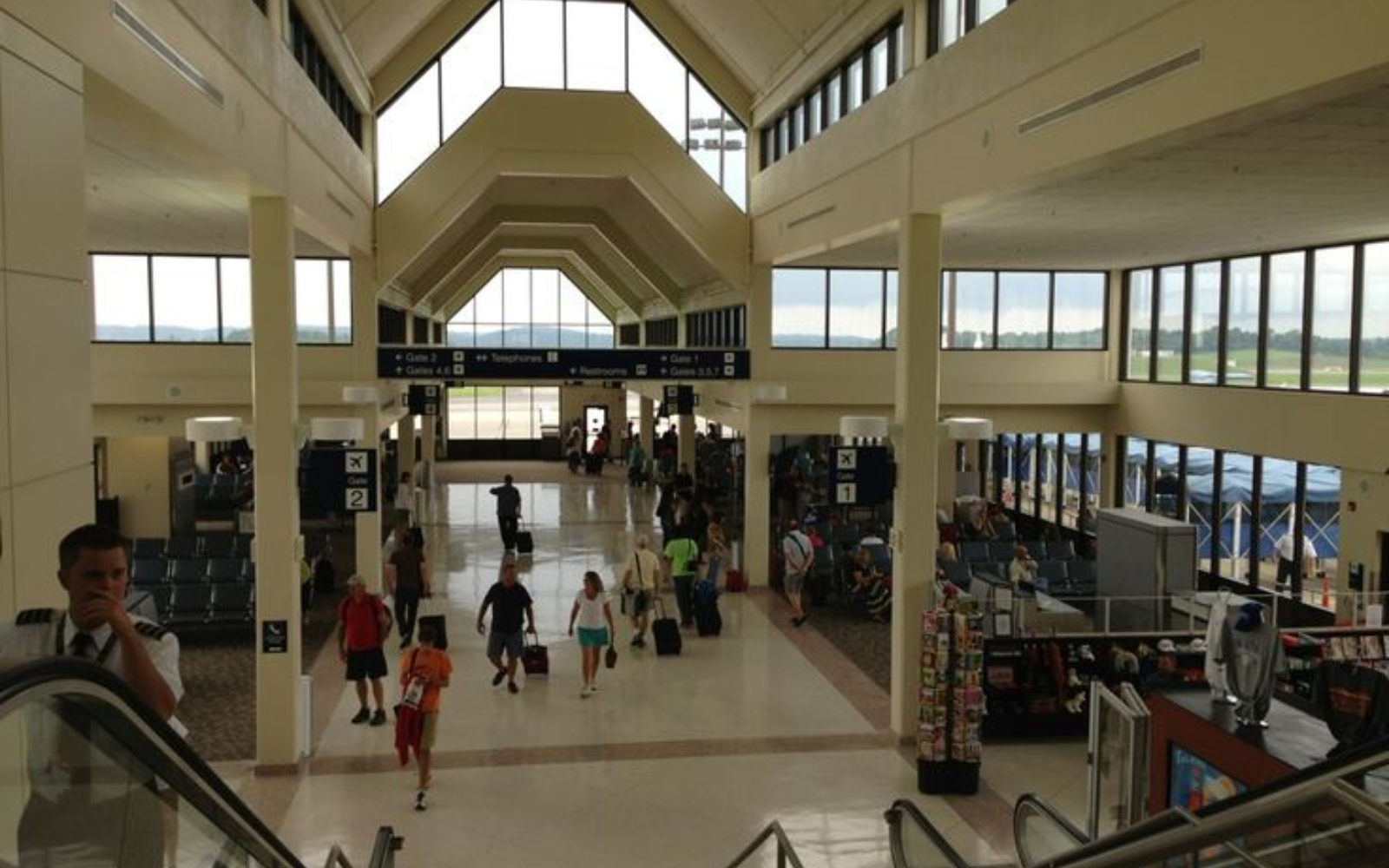
Start early if you want calm mornings at the terminal. Experts stick to arriving two hours ahead—sometimes more. That extra time acts like quiet space between chaos.
Start by figuring out how long the drive takes when roads are clear. When traffic slows, toss in another 45 or even 60 extra minutes—just in case something blocks the road. Getting to the airport? Be inside the terminal building no later than two hours ahead of a U.S. flight, three if it is overseas.
Start early if kids or suitcases fill your trip—add twenty minutes more. When parking takes longer, shuttles lag, or wheels jam at corners, those delays pile up fast. Build your timeline on what might go wrong, not just smooth predictions. That shift turns rushing into calm.
Every morning at Tri Valley Airport Shuttle Service, small delays show big consequences. Missing a flight due to leaving just ten minutes late? That pain could have been avoided. When rain slicks the roads, our team already knows how traffic shifts across I-580. Chokepoints pop up fast, but experience tells them where they will hit hardest. An accident ahead does not surprise us—we have mapped detours before the jam even forms. Exits get chosen not by habit, but by what works right now.
Most people think it is only about getting from one place to another. Yet behind every pickup is someone trained to understand traffic rhythms, weather shifts, school zones—all part of daily navigation. Ride apps change by the hour, sometimes leaving gaps when timing matters most. Our service fills those spaces steadily, without sudden spikes or surprises midweek.
Thirty minutes early makes room for what might go wrong. Suppose your plane leaves at ten in the morning—treat seven o’clock as too late. Even if traffic maps claim an hour is enough, start at six thirty instead. Shifting the clock earlier gives breathing space. The gap between plan and reality often opens fast. Arriving calm beats rushing through chaos. When traffic moves fast, reaching early leaves room for coffee or quiet moments. Should delays pop up, arrival still lands right on schedule.
Out here, life moves fast. Traffic shifts without warning. Still, getting to the airport does not need surprises. When you tune into local patterns and leave extra time, your trip truly starts at home. Not after checkpoints. Not once screens and queues fade. Just space, timing, and motion.
Arrival matters more than the stress along the way. We take care of delays and schedules, so leaving feels just as smooth as showing up. Reach out to Tri Valley Airport Shuttle Service to secure your ride and leave the timing to the experts.